Check response time, not just distance
A locksmith 2 miles away who is finishing another job will take longer than one 5 miles away with a free technician. Ask: "What is your ETA to my exact address right now?"
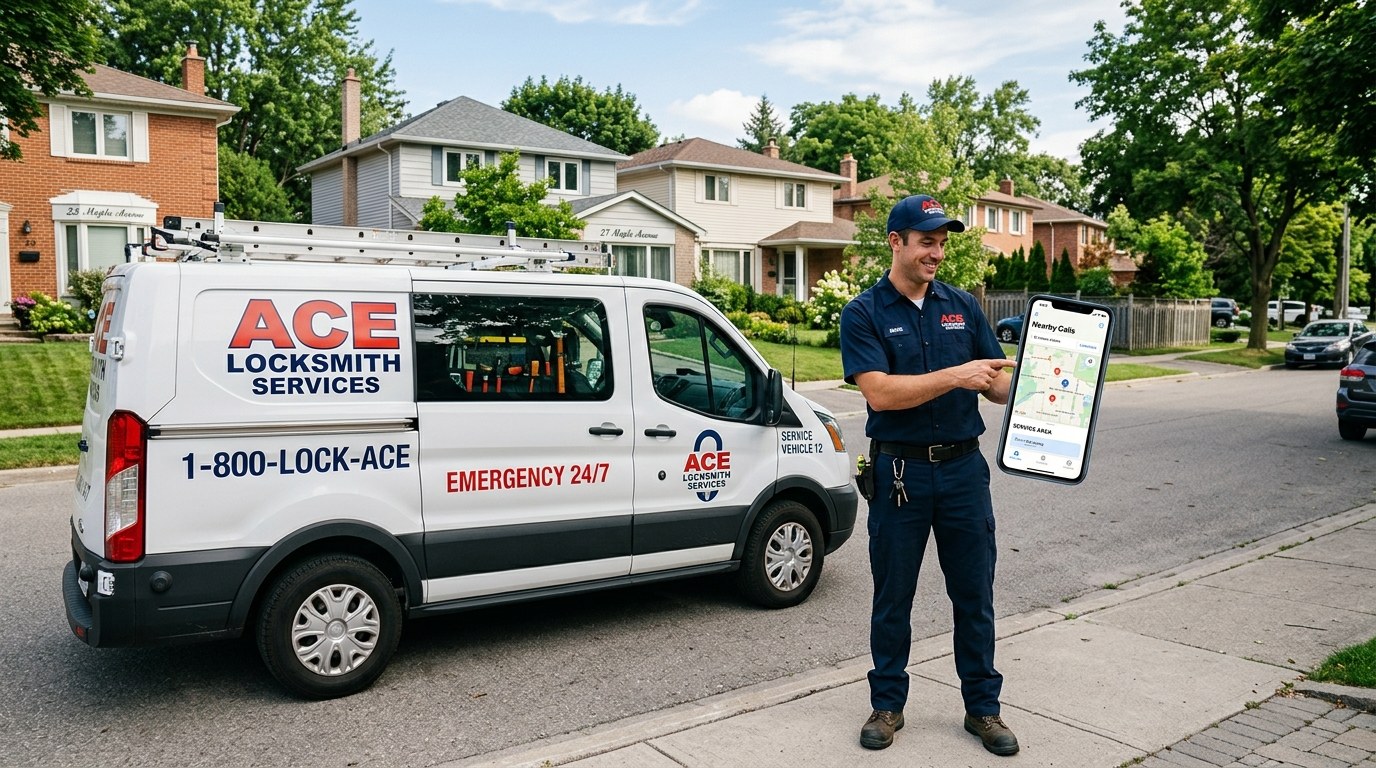
The closest locksmith on Google Maps is not always the fastest or the best. This guide explains how proximity actually works, what service radius means in your neighborhood, and how to use your location as one factor among many when choosing a locksmith.
Distance is one input. These six factors determine whether the locksmith closest to you is actually the right call.
A locksmith 2 miles away who is finishing another job will take longer than one 5 miles away with a free technician. Ask: "What is your ETA to my exact address right now?"
Urban locksmiths may cover a 2-3 mile zone. Suburban operators cover 10-15 miles. Rural locksmiths often travel 25-50 miles per job. "Nearby" means something very different by density.
An independent locksmith in your neighborhood has community accountability. National chains may dispatch contractors who have never worked your area's common door hardware. Both can be great; check credentials for either.
Reviews from your specific zip code or neighborhood carry more weight than city-wide averages. A locksmith who regularly works your block knows your building's common lock brands and entry configurations.
Proximity does not exempt anyone from licensing requirements. In California, all locksmiths must hold a valid BSIS license. Verify at bsis.ca.gov before work begins, regardless of how close they are.
Ask the dispatcher for a specific arrival window in minutes. "We're nearby" is not useful. "Our tech can reach you in 25-35 minutes from [intersection]" lets you decide if you want to wait or call another option.
Service radius scales with population density. The same search for "locksmith nearby" returns very different real-world coverage depending on where you are.
New York, Chicago, downtown LA, San Francisco. High demand, many operators, small territories. A locksmith may cover only a few blocks to 2-3 miles.
Most US metros: Phoenix, Houston suburbs, Dallas, Atlanta, Denver sprawl. Locksmiths balance coverage area against travel time and cost.
Small towns, agricultural areas, mountain communities. Fewer locksmiths, larger territories, longer drive times. Google "nearby" results may come from 40+ miles away.
The direct answer to "how nearby is nearby enough": ask about response time in minutes to your specific address. A locksmith confirming they can arrive in under 30 minutes to your exact location is more useful information than a distance in miles on a map.
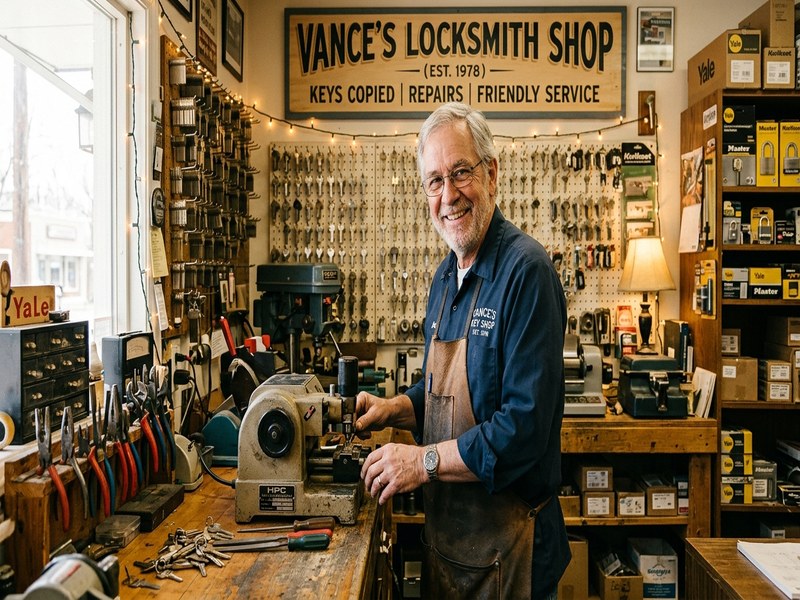
When a locksmith has been operating on your block or in your zip code for years, they carry something a national chain cannot replicate: direct community accountability. Your neighbors can vouch for them, your property manager has their number, and their reputation lives or dies in the same neighborhood you live in.
That does not make every local locksmith automatically better. But it does mean their incentives are different. A national chain technician dispatched from a call center 500 miles away has no stake in your neighborhood. A local operator does.
Three factors determine how fast a nearby locksmith actually arrives. Distance is only one of them, and it is rarely the most important.
Where is the technician RIGHT NOW? A locksmith finishing a 90-minute job 0.3 miles from you will not arrive before one 4 miles away who just finished a short call. Dispatcher awareness of current job load matters more than headquarters proximity.
Urban traffic can turn a 2-mile drive into a 25-minute crawl during rush hour. Suburban highways can make a 10-mile drive take 12 minutes. Ask the dispatcher if they are accounting for current traffic conditions in their ETA estimate.
In dense urban areas, a locksmith may arrive at your street but need 5-15 additional minutes to find parking and physically reach your unit. Give the dispatcher building-specific details: apartment number, entrance code, parking situation, whether it is street or garage access.
| Area Type | Listed Distance | Typical Actual ETA | Main Variable |
|---|---|---|---|
| Dense urban (NYC, SF, Chicago) | 0.5-2 miles | 20-45 minutes | Traffic + parking |
| Mid-density urban (Austin, Denver, Portland) | 2-5 miles | 20-40 minutes | Current job load |
| Suburban (typical US metro ring) | 5-15 miles | 25-50 minutes | Highway access |
| Exurban / semi-rural | 15-30 miles | 40-70 minutes | Route availability |
| Rural | 30-60 miles | 60-120 minutes | Sheer drive time |
Before you confirm a booking with any locksmith who appears in your search results, these five questions determine whether they will actually show up promptly and serve your specific address.
A specific minute window is the only useful answer. Vague "we're close" responses are not actionable.
This directly addresses job-load lag, the biggest driver of actual wait time.
Out-of-area calls sometimes incur an additional trip fee. Confirm pricing before agreeing.
Service call / dispatch fees can add $25-$75 and are not always disclosed upfront in online pricing.
A licensed, legitimate operator will have no hesitation. If they deflect or change the subject, look elsewhere.
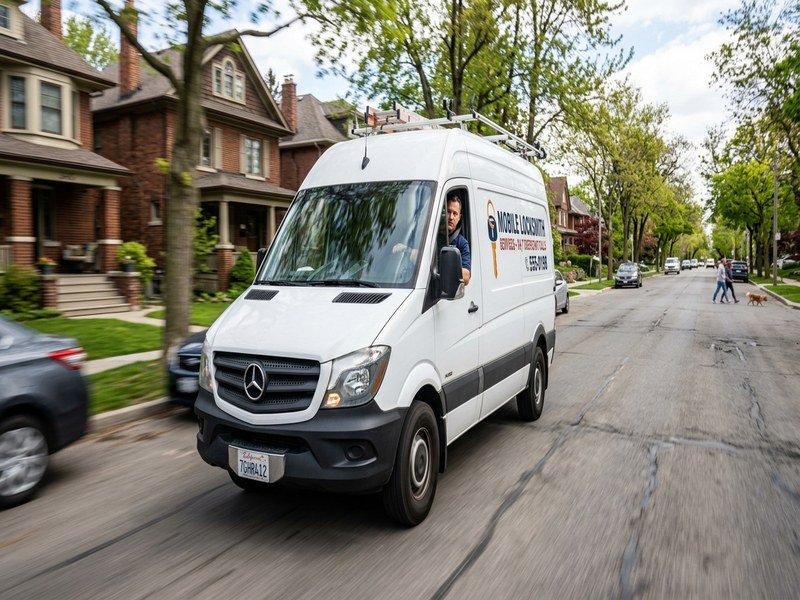
Google Maps shows where a business registered its address. That pin has almost no relationship to where a technician will be dispatched from when you call.
Many locksmith listings use shared virtual office addresses, UPS Store locations, or co-working spaces to appear local. The map pin looks close; the dispatcher is in another state.
A local-looking listing may be a national brokerage that takes your call and then contacts whatever subcontractor they can find in your area. The subcontractor may be 35 miles away despite the listing pin being 0.8 miles from you.
Real local signals: a verified street address that matches Google Street View, reviews that mention neighborhood landmarks you recognize, and a dispatcher who knows local cross-streets when you give them your address.
How to tell if a nearby locksmith listing is real: Google their listed address in Street View. If it shows an empty lot, a parking structure, or a UPS Store, the business is likely not physically present there. Use that as one signal, not the only one, and cross-reference with the Better Business Bureau directory for your city.
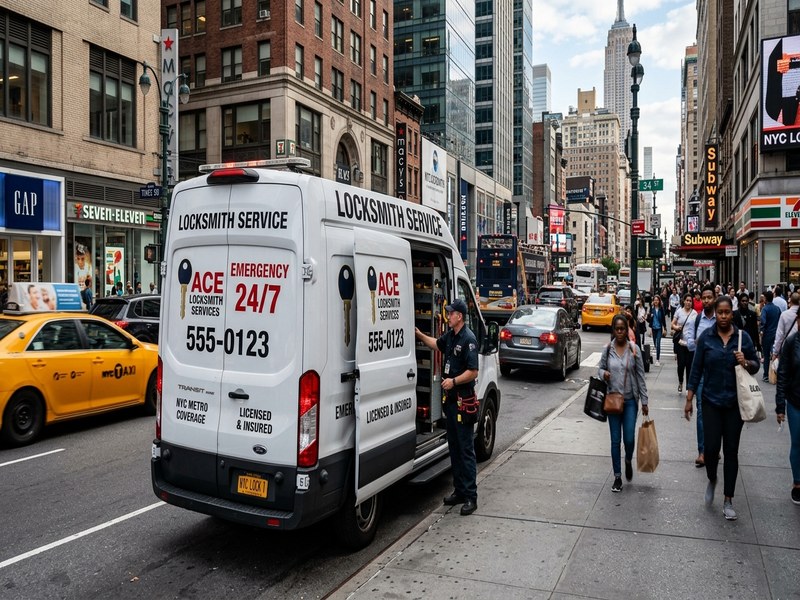
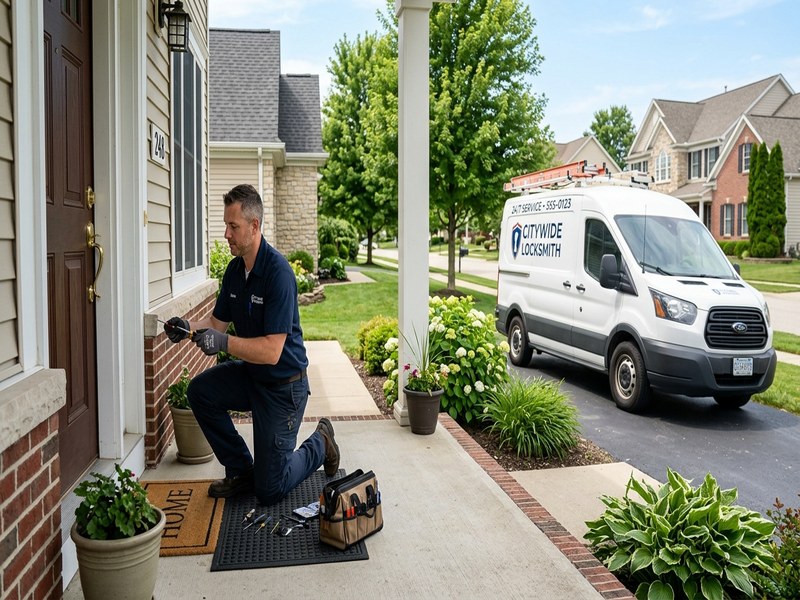
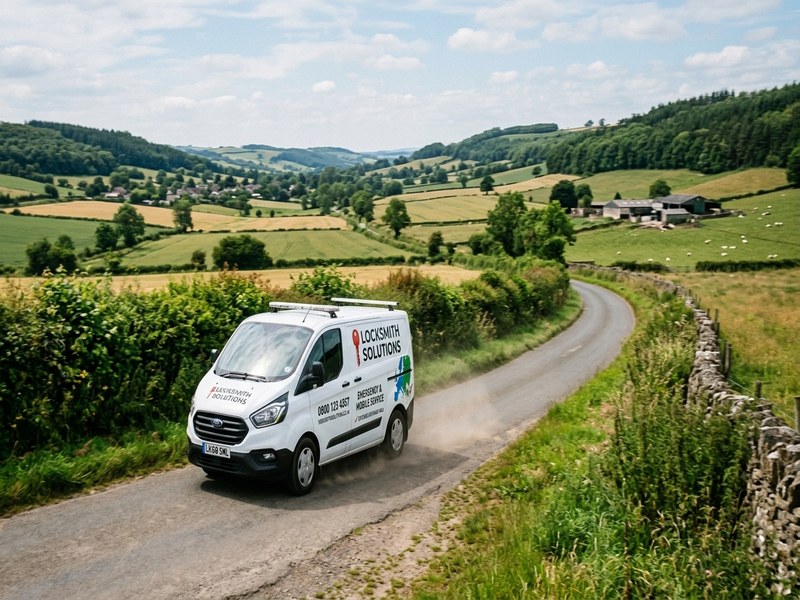
These consumer experiences illustrate the real-world gap between "closest on the map" and "fastest to arrive."
"The first locksmith I called was 0.4 miles from my apartment. They quoted me 45 minutes because they were finishing another job. The second one I called was 3.5 miles away but available immediately and arrived in 22 minutes. Always ask about availability, not just distance."

"We moved to a suburb outside Houston and were surprised that 'nearby' locksmiths were actually 18-25 miles away. The local family-run shop that had been in our town for 12 years knew exactly which brands the older homes in our neighborhood used. They were 8 miles out but arrived in 28 minutes on a clear highway."

"The Google Maps pin was literally 0.2 miles from my house. I called them and a guy answered from what sounded like a call center. Long story short, the actual technician drove from 22 miles away. The Street View of their listed address showed an empty parking lot. Lesson learned about verifying the actual business location."

"I'm in a rural area in northern California. The honest locksmith told me upfront: 'We're 38 miles from you, it will be 55 minutes and there is a $45 trip fee on top of the service cost.' That honesty alone made me trust them. They came, fixed everything, and the trip fee was clearly on my invoice."

Locksmith proximity dynamics are different in every metro. The density, traffic patterns, and licensing environment of your city all affect how "nearby" translates to actual service.
2-3 block coverage typical; parking major ETA factor
BSIS required; traffic varies ETA 20-60+ min
Dense north side vs sprawling south; neighborhoods vary
Largest US city by area; suburb locksmiths cover 20+ mi
Grid layout helps; heat affects lockout frequency
PA no license req; ALOA membership is a proxy indicator
TX license required; spread-out metro means longer ETAs
BSIS required; coastal vs inland geography splits market
TX license required; DFW sprawl means 25-40 min typical
High growth; many new operators, verify credentials carefully
BSIS required; Bay Area traffic makes distance unreliable
CO no statewide license; check city permits in Denver proper
Our proximity analysis draws on consumer-reported experiences, BSIS licensing data, and verified service area information from locksmith businesses across major US metro areas.
Use the proximity checklist from this guide: confirm ETA in minutes, verify the service radius covers your address, confirm the license, and get an all-in price before anyone starts work.
The Nearby Locksmith guide is an independent consumer information resource. We do not represent any locksmith business, accept paid listings, or earn affiliate commissions. Our goal is to help consumers understand how proximity, service radius, licensing, and neighborhood reputation interact when choosing a locksmith.
Our research methodology includes direct consumer account collection from readers across multiple US markets, cross-referencing with state licensing databases (BSIS for California, TDLR for Texas, and equivalent agencies for other licensed states), and service-area verification with independent locksmith operators across urban, suburban, and rural settings.
We review and update this guide monthly to reflect changes in licensing requirements, consumer trends, and new consumer experiences.
Full Methodology